Safety, Compliance & Responsible Fuel Operations in South Africa
In South Africa, fuel handling, storage, and distribution are highly regulated to protect people, property, and the environment. Whether operating bulk storage facilities, supplying diesel to customer sites, or transporting fuel across provinces, safety and compliance must remain central to operations.
At Shiptech Petroleum, safety is embedded in everything we do. Below, we outline key fuel handling and storage best practices, regulatory considerations, and why emergency response planning is essential to responsible fuel operations.
Fuel Handling & Storage Safety Tips
Proper fuel management reduces risk, prevents environmental damage, and ensures operational continuity. Whether managing diesel, petrol, or other petroleum products, the following best practices are essential:
1. Use Approved Storage Solutions
Fuel must be stored in certified tanks and containers designed specifically for the product type. Tanks should be:
- Clearly labelled
- Structurally sound
- Equipped with secondary containment where required
- Protected from extreme weather and impact
Regular inspections help detect corrosion, leaks, or structural weaknesses early.
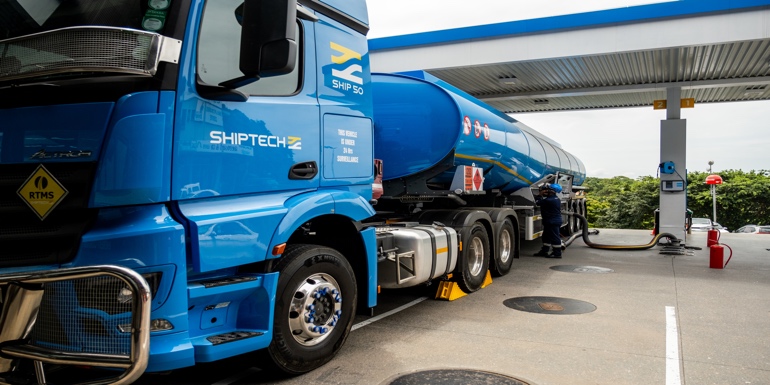
2. Follow Safe Fuel Transfer & Transport Procedures
During loading, offloading, on road and on-site refueling:
- Licensed and compliant tanker vehicles
- Trained and certified drivers for dangerous goods transport
- Strict route planning and vehicle inspections
- Secure loading and discharge procedures
- Tankers and tanks must be properly grounded to prevent static discharge
- Only trained and authorised personnel should handle fuel. Appropriate PPE must be worn (gloves, eye protection, flame-resistant clothing)
- Spill kits and fire extinguishers must be serviced and readily available
Careful fuel handling protects both personnel and client facilities.
3. Environmental Protection Measures
Fuel spills can contaminate soil and groundwater. Businesses must:
- Have spill response procedures in place
- Prevent stormwater contamination
- Dispose of contaminated materials correctly
- Report environmental incidents when required
Preventative controls are always more cost-effective than environmental clean-ups.
Industry Regulation & Compliance
Fuel operations are governed by strict national and local regulations designed to protect workers, the public, and the environment.
Key compliance areas typically include:
- Hazardous substance storage regulations – SANS 10089 / SANS 10400
- Environmental Protection Standards - National Environmental Management Act (NEMA)
- Transportation of dangerous goods requirements - National Road Traffic Act (transport of dangerous goods) SANS 1395 / SANS 10231 / SANS 1518
- Workplace health and safety legislation - Occupational Health and Safety Act (Act 85 of 1993)
Staying compliant means:
- External Road Traffic Management System (RTMS) audits
- Conducting regular risk assessments
- Maintaining valid permits and documentation
- Ensuring staff certifications are applicable and current
- Keeping emergency plans updated
- Monitoring regulatory updates from authorities
Failure to comply can result in fines, operational shutdowns, and legal consequences.
Emergency Response & Risk Management
Even with strong preventative measures, incidents can occur. Every fuel operation should have a documented emergency response plan.
1. Clear Emergency Procedures
Emergency plan essential elements include clear procedures for:
- Road tanker incidents
- Spill containment
- Fire response
- Medical emergencies
- Evacuation and incident reporting
2. Spill Containment & Environmental Controls
Quick spill response reduces environmental damage and legal exposure.
3. Training & Regular Drills
Drivers, operators, and site personnel must understand emergency procedures and reporting requirements.
4. Incident Investigation & Continuous Improvement
Every incident — even near misses — provides valuable learning opportunities. Reviewing and improving procedures strengthens your safety culture.
Building a Culture of Safety & Compliance
Compliance alone is not enough. True safety comes from a culture where every employee understands their responsibility and feels empowered to act. This includes:
- Ongoing staff training & engagement
- Regular risk assessments
- Proactive equipment maintenance
- Leadership commitment to safe operations
- Visible safety leadership
- Open reporting systems
When safety becomes part of everyday operations rather than a checklist item, risk is dramatically reduced.
At Shiptech Petroleum we believe safety and compliance are investments — not expenses. Through strict adherence to regulations, proactive risk management, and continuous training, we ensure reliable service while safeguarding people and the environment.
If you would like to learn more about our safety standards or discuss your fuel management needs, contact our team today.
Get in Touch
Let's Connect. Reach out today to explore our partnership opportunities.
Email us
hello@shiptech.co.za